Deep Clean Your Drains with Easy DIY Home Methods
Have you ever questioned yourself about the causes of them and how to avoid them in future? With time, the food particles, hair, soap residue and grease crystallize, hence resulting in slow drains or foul odour. Cleaning is also done in order to maintain clean and effective drainage, hygienic, and odour-free. Always avoid using harsh chemicals in tidying your drains. The pipes can be kept clean and flowing freely with some easy methods. Housekeeping, do-it-yourself, and preventive measures are the tips that you will learn in this blog in order to ensure your drains are healthy and not diseased.
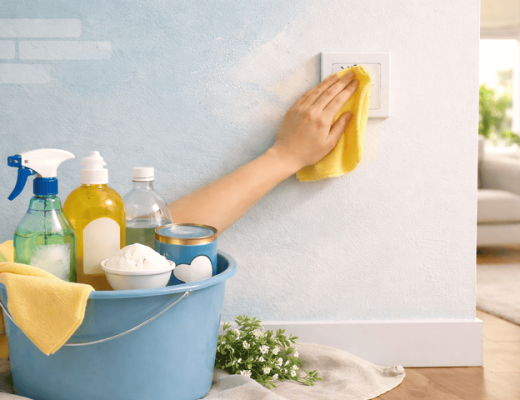
Just like drains, there are also some areas of the house we forget to clean that impact overall home hygiene.
1. Unblock Your Drains
The causes of drain clogs are the debris accumulated in your pipes, which will block water. The main suspects are hair, food scraps, grease, and soap sheets. The hair and the soap get stuck in clumps in the bathrooms, and the fats are solidified inside the pipes in the kitchen. Little amounts of debris and in the long run undermine water flow. Professional cleaning makes us understand the necessity to determine what causes clogs and, only in this case, make some effort to get it out. Being aware of the causes of blockages, you are able to choose the right technique to apply in the course of tidying up and prevent the reemergence of the issues.
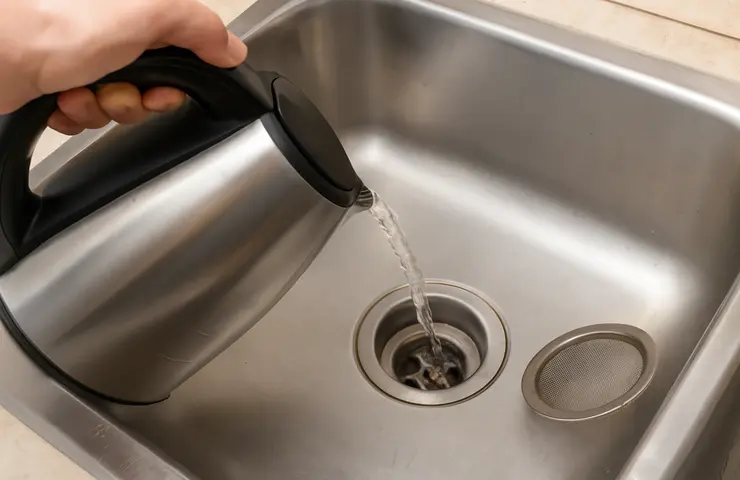
2. Boiling Water Methods
Housekeeping a blocked pipe is easy by pouring in boiling water. Little grease deposits and soap residues are melted in hot water. Maintenance- repeat the procedure every twice weeks. The method is effective when the clog is small in diameter and does not accumulate. PVC pipes are fragile, and they can be broken in case they are overheated. Tidying with boiling water is not a chemical process; it is harmless and may be useful in the real-life maintenance of drains.
3. Natural Cleaning Duo
The most effective technique is to clean with natural products. Add half a baking soda, half-cup vinegar to the drain. Then flush with hot water. This reaction decomposes grease, soap scum, and minor debris. Preventive upkeep once a month. This technique is suggested by many cleaning companies to use in the house with delicate plumbing. It is cheap, no harm to the pipes, and aids in keeping the drain environment clean.
4. Manual Hair Removal
Hair clogs in most cases in bathroom sinks and showers. Removal of visible hair can be done manually using a drain snake or a hook. Elevation of hair before it gets deeper into pipes avoids severe obstructions. Wear gloves for hygiene. Frequent hair removal is a tidying measure prescribed by professional services. This basic measure eliminates the use of severe chemicals and ensures the continuity of drains. Regular, small upkeep practices are known to help in clearing free-flowing drains in the long run.
5. Enzyme Cleaners
Enzyme-based cleaners are cleaners that digest organic matter with the help of natural bacteria. They suit well with food or hair-clogged drains. Add the prescribed quantity into the drain and leave the drain overnight. These cleaners contain no harmful elements to pipes, septic systems, or even the environment. Enzyme cleaners are usually recommended by the expert cleaning service companies as an element of routine maintenance. This method keeps the drains odourless, besides avoiding the accumulation in the future. Habitual use is a good substitute for chemical solutions.
6. Do not dispose of grease
Grease is one of the causes of clogging of kitchen drains. Use of cooking oil or fat in drains results in hardened blockages. Dispose of grease using a different container. Housekeeping gurus lay stress on avoiding the buildup of grease so that there is less necessity for harsh chemicals. Wiping of pants prior to their washing, strainers, and frequent tidying of sinks reduces residual. Such preventive upkeep procedures save time, minimize plumbing problems, and keep the kitchen a clean place.
7. Drain Strainers
Fit strainers into the sink and tub drains and the shower drain to prevent food particles, debris, and hair from getting into the plumbing system. Empty the strainer daily. When this is a simple tool, the frequency of upkeep of the drains is reduced. Strainers are highly inexpensive and easy to operate. They are typically recommended by qualified cleaning companies as the first line of blockage in clog prevention. Strainers would be used together with regular tidying as a measure to ensure the drains remain clear, prevent odours, and that the plumbing lasts longer.
8. Upkeep Schedule
The drains should be cleaned on a schedule. It is stopped by flushing once a week with hot water, once every month with baking soda, and the occasional use of enzyme cleaner. The primary prevention of severe blockages by professional services focuses on regularity. Many people take help from a bond cleaning service when the buildup becomes too much to handle at home. On a regular basis, housekeeping ensures that your drains are clean, the smell is kept at minimal levels, and there are reduced plumbing emergencies. Regular cleaning will help in the easy movement of water and prevent it in the long run. It is a proactive method that aids in saving time, money and tension.
Conclusion
Cleanliness, blockages and foul odours are increased by proper drain maintenance. Simple, routine practices, like running hot water, using baking soda, hair removal, and strainers, will ensure the pipes run well and prevent severe plumbing problems. DIY house cleaning with periodic professional upkeep is a guarantee that the drains will be healthy over time. Through prevention and the use of professional instructions, your drains are clear, your bathroom and kitchen are in good health, and you save on expenses incurred during repair. Good housekeeping saves your house and gives you a sense of ease.