Move Out Kitchen Cleaning Checklist for a Spotless Exit
Are you confident your kitchen is truly clean enough to hand over the keys? Move-out cook house cleaning needs more than surface wiping. It needs a full reset that removes grime, food residue, and hidden buildup. This checklist keeps the process clear, fast, and thorough without harsh chemicals. A clean cook house prevents disputes, odor issues, pest traces, and hygiene risks for the next occupant. The aim is clarity and execution, not perfection theatrics. Follow a logical cleaning order, inspect like an auditor, and finish with proof of cleanliness, not perfume masking. This guide keeps it real, actionable, and focused.
1. Clear First, Clean Second
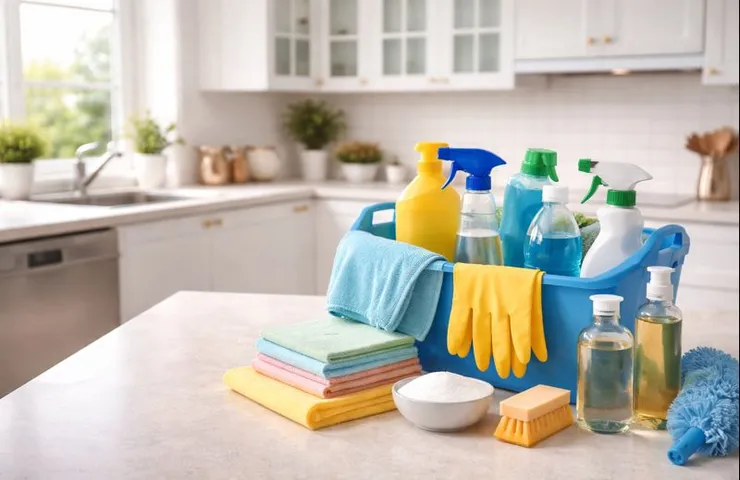
Start by removing all items: no container, no dishes, no trash. bond cleaning service begins with empty spaces, not wiping around obstacles. Cleaning around objects slows you down and hides dirt. Treat empty surfaces like a fresh battlefield. Visibility improves accuracy. An empty kitchen helps you spot stains, crumbs, and grease fast. Unloading takes a few minutes, but it saves time by cutting down on repeat housekeeping later. Keep the tools clean before starting. Dirty tools equal dirty results.
2. Fridge and Microwave Reset
These hold the worst food residue load.
- Unplug the fridge.
- Remove the shelves and wash with warm water.
- Wipe rubber seals where crumbs hide
- Defrost the freezer if ice exists
Microwave: steam bowl with water, wipe inner walls.
Food protein stains and crumbs cause odor and bacteria. Removing them matters more than surface shine. Let the shelves dry fully before placing them back. Moisture left behind invites mold.
3. Degrease Cabinets and Drawers
Open all cabinets. Pull out the drawers. Clean the edges. Use a mild cleaner on a cloth. Wipe the inner and outer panels. Pay attention to the handle areas; these have invisible grease layers from daily use.
Principle: high-touch zones need high-focus cleaning.
Trade-off: slow hand wiping beats fast spray mist. Don’t spray inside cabinets directly. Apply to cloth first, then wipe.
4. Cabinets, Shelves & Hidden Corners
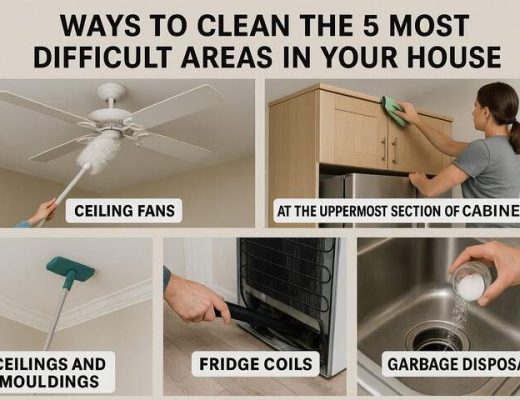
Empty cabinets completely. Vacuum corners first, then wipe interior walls and shelf undersides. Use thicker housekeeping liquids for particle capture. Pay attention to hinge sides, rubber lining, and top edges where dust stacks invisibly. This is the most skipped zone in tenant upkeep routines.
Principle: zero redistribution. If you leave dust, you’re gifting your deposit away. Wipe top to bottom and finish dry. Moisture left in cabinets can cause mold spores. Mold is an allergen generator, not a cleaning problem.
5. Sink, Drain & Garbage Disposal Overhaul
Sink bowls need cream-based scrubbing, not mist. Scrub rim lines and faucet base separately. For drains, remove debris manually, scrub the mouth, flush slowly with hot water, then neutralize bacteria early with a vinegar rinse. Disposal units should be reset with ice and salt scrub to break micro sludge without chemical fumes.
Principle: cause first, odor last. If you mask the smell instead of removing the source, the next tenant or inspector will notice instantly.
Trade-off: smells temporarily like vinegar, not toxins. Vinegar fades, chemical perfume stays, and irritates longer.
6. Oven and Microwave Deep Reset
Microwave needs a bowl and a steam trick or heat water and lemon inside for minutes, then wipe the interior corners. For ovens, apply thick liquid cleaner, let the grease soften, scrub gently, then remove the residue fully. Professional cleaning mindset wins here: precision greater than pressure. Finish with a damp residue-removal pass, then dry.
Principle: allergen protein breakdown without an air reaction. If grease is sticky, repeat, don’t escalate chemicals. Harsh aerosols can damage surfaces and reintroduce irritants into the room air.
7. Floor Mop With a Dual Pass System
Vacuum first, mop second. Use mild floor cleaner, then rinse mop head, run clean water mop again to remove residue. Principle: double-pass allergen removal. If your feet feel slippery, residue is still there. Wash it again. Floor grime holds dander, pollen, and food dust. Don’t leave chemical fil, it bonds future dust faster.
Trade-off: five extra minutes, huge long-term cleanliness. Clean mop heads are mandatory. Dirty mop equals allergen spread.
8. Floor and Baseboard Finish
Clean the floor last. Wipe corners first. Mop with a mild liquid. Rinse with clean water. Let it dry before you leave. Wipe baseboards where micro dust settles. The floor gets the final because gravity pulls debris down. If the floor feels slippery after mopping, residue is still there. Rinse the floor again. Keep mop heads washable and replace if dark.
9. Hood, Chimney & Filter Reset
Hood filters hold months of grease like a tax bill you forgot to pay. Remove the parts and clean them one by one. Soak in hot water with gentle soap. Scrub softly. Rinse well. Clean the hood inside and wipe the edges with a thick, mild cleaner. Keep the air calm. Don’t spray into the room. Sprays scatter grease, creams capture it. Dry filters completely before placing them back. Wet filters breed odor and bacteria, which can fail inspection.
Principle: capture, isolate, dry, reinstall. Grease removal isn’t about strength; it’s about containment. A properly cleaned hood reduces future dust fallout drastically.
10. Final Touch on Faucet, Lights & Switch Zones
These zones are high-touch, high-deposit risk. Wipe them separately with neutral cleaner. No perfumes, no aerosols, no water streaks. Touch zones need a calm, scent-neutral wipe, not shine obsession. Even green products fail if applied incorrectly. Cloth-first rule always wins.
Trade-off: no dramatic shine, dramatic deposit safety.
Conclusion
Move-out kitchen allergen control isn’t about chemicals; it’s about systems, motion, and residue discipline. Most house cleaning failures happen because tenants chase shine and ignore containment. A checklist-driven cook house reset removes allergens at source, calms air zones, and prevents secondary irritation cycles. Combine vacuuming, microfiber capture wipes, drain decontamination, and dual-pass rinsing for a true deposit-safe kitchen. This approach works for every move, every landlord, every inspection standard. Long-term deposit wins start with consistent house cleaning discipline and finishing dry, not damp. Lungs first, deposit always.