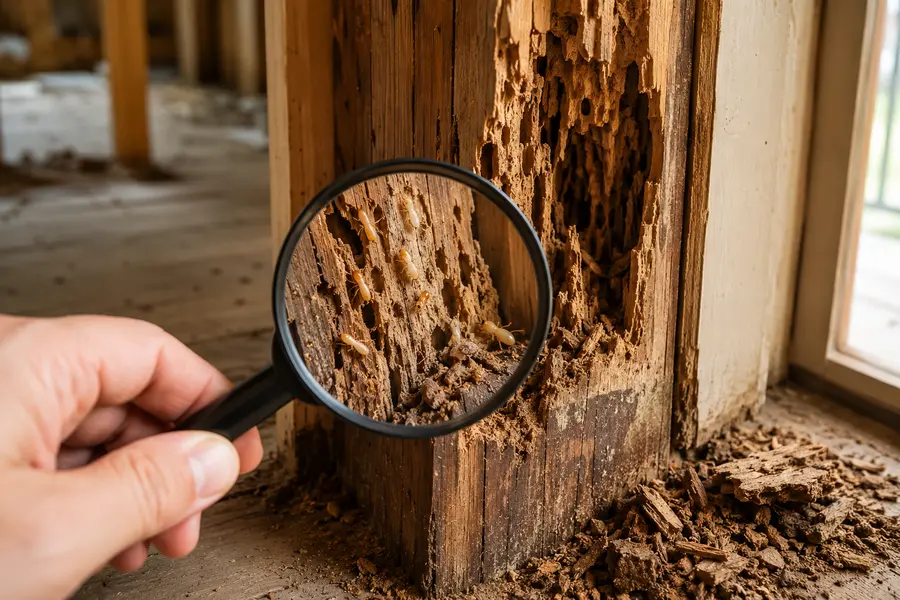
Termite Damage Signs Hidden Inside Wooden Structures
Have cracks in furniture appeared on your wooden furniture in the last few days, and you don’t know the why of those unusual changes on the surface? How small can a warning be before most homeowners dismiss it? Well, as you will know, the typical ‘silent’ nature of termites, their constant hiding out of sight behind walls, floors, ceilings, and wooden floors, will normally disregard even the smallest of warnings. When damage is noticed, though the termites have likely been damaging crucial areas of your property for quite some time, your finances are going to take a dip. Knowing what to look for before structural damage is discovered can save your work or home.
1. Understanding Silent Termites
These boring little guys hide snugly away inside walls, floors, furniture, or roofs. They can be happily chomping away on timber while no one is any the wiser. Structures weaken over time because of their steady feeding. Even when unseen, the damage adds up. While most bugs make noise or show up openly, these work without warning signals. Buildings may seem fine on the outside, even when damage spreads within. Most people find out about imports or infestations very late because they dislike sunlight, and they continue feeding inside structural wood materials daily. Recognizing the typical indicators of termite damage can help homeowners detect concealed termite activity prior to undergoing extensive repairs of the structural components inside their homes.
2. Hollow Wooden Surfaces
Start at the floorboards – tap, pause, listen. A hollow sound might mean trouble behind the surface. Even when things look intact, movement could hide within. Little bites add up. Wood weakened from the inside often sounds different. Check beams, walls, and even old cabinets. Each knock tells a part of the story. Curved beams, even just a little bent, often mean termites have been feeding long enough to weaken them. That hollow echo? It hints at hidden ruin buried deep where eyes can’t reach, needing an immediate check-up from trained experts.
3. Bubbling Paint Problems
Bubbles of paint running off walls or wood surfaces occasionally indicate moisture issues brought on by dampness beneath from the presence of termites under the joists of damaged lumber. Moisture build-up in tunnels formed by the termites in the wall will eventually lead to the paint on the interior walls to crack blister peel or changing color. Water leaks are also often identified by homeowners as paint that is bubbled or blistered, and this is not inspected further by a professional, so the termites get to work longer inside the home. The more that paint appears odd, the easier it is for homeowners to identify the presence of termites inside the wooden frame of the home at an earlier stage.
4. Tight Doors And Windows
Windows and doors that are suddenly difficult to open or close could indicate termites quietly destroying the wooden frames and supports around them. While they feed on the wood from the inside out, water gets trapped close to the affected areas and causes wooden surfaces to split unevenly in certain parts of the property. Homeowners tend to attribute the changes to changing seasons and weather rather than potential hidden infestations growing behind walls or around crucial structural wooden beams indoors. Careful examination of sticking doors can expose concealed termite damage before advanced weakening takes hold and migrates to adjacent wood in homes. Regular inspections and professional bond cleaning services can help detect hidden termite activity around wooden areas early.
5. Mud Tubes Around Walls
Subterranean termites would also build down up across walls, the foundation, the ceiling, and any crawlspace that is on the available surface as they go to and return from the food to their colonies. A trail of mud tubes would be established during this process for a pathway of protection from the sun, from attacking other predators, or from changing ambient conditions in the outdoors. These trails, also called mud tubes, are found along your foundations, wooden beams, the garage, and the basement, as well as in the hidden corners for access to your home’s wood. Finding these tunnels indicates severe termite damage and should be treated professionally before you let the menace get into the all-important wooden property structures.
6. Discarded Wings Indoors
Flying termites generally shed translucent wings near windows, doors, lights, or furniture after they have identified appropriate sites for trying to set up entirely new homes. Considering the body remains of the wings of termites alone, the swarming bodies of flying ants also appear very similar to the eyes of the novice. If small piles of wings are present inside, then it is probably the wings of swarming termites that have come from infested timber located outside in the proximity. Notice the cast-off wings can help a homeowner identify a concealed termite infestation before the colony has grown into a larger, building-destroying one.
7. Cracked Wooden Furniture
Wooden furniture developing cracks, splits, or unusual surface lines sometimes suggests termites damaging internal timber sections silently over extended periods indoors. Termites weaken furniture structures gradually because they consume cellulose materials hidden deeply beneath polished or painted wooden surfaces without immediate visibility. Chairs, tables, cabinets, and shelves may become unstable or fragile once termites destroy the supporting internal wooden layers throughout affected furniture pieces. Inspecting damaged furniture regularly helps homeowners identify signs of termite damage before infestations spread toward surrounding structural wooden property areas.
8. Soft Flooring Warning
Wooden flooring becoming soft, uneven, or unstable underfoot often signals termite activity, damaging supporting materials beneath visible floor surfaces inside homes. Termites consume structural timber underneath flooring layers, eventually weakening support systems and creating dangerous walking conditions throughout residential property interiors. Many homeowners notice squeaking sounds or sinking areas before discovering that termites have already caused extensive hidden destruction beneath valuable wooden flooring materials. Addressing soft flooring quickly helps reduce hidden termite damage and prevents costly structural repairs from becoming necessary during future property maintenance.
9. Unusual Clicking Sounds
Some homeowners hear soft clicking sounds within walls as soldier termites tap surfaces when colonies are alerted to nearby disturbances indoors. While these sounds remain underground, several clicking signals the presence of active termite colonies living undetected behind wooden walls, ceilings, or beams of structural support. Silent houses at night could make some termite sounds more noticeable as the environmental noise level significantly lowers in the vicinity of the property. This is a partial list of termite signals for which you can listen for signs of termite damage before seeing signs of structural damage inside your home’s wooden structures.
10. Sagging Ceiling Sections
Ceilings appearing uneven, sagging, or cracked may result from termites weakening wooden support beams hidden above residential or commercial property interiors, gradually. Termites consume timber slowly over time, reducing structural strength until ceilings begin showing visible warning signs requiring immediate professional inspections afterward. Homeowners sometimes ignore minor ceiling changes without realizing that termites may have already destroyed critical wooden components supporting important structural areas throughout buildings completely. Recognizing ceiling problems early helps reduce hidden termite damage and protects occupants from dangerous structural failures caused by severe infestations.
Prevent Damage Early
Start by checking your home often for signs of trouble. Where dampness lingers, termites find opportunity to keep air moving through tight spaces. Fix leaks fast when they show up near timber parts of the structure. Instead of piling firewood against walls, set it far from the base of the house. Hidden nests grow quiet and strong when wood lies exposed nearby. Just like using 7 essential tools to simplify cleaning for seniors helps maintain safer and cleaner living spaces, regular home maintenance can also reduce hidden termite risks over time. Left unseen, small issues become serious damage over time. A pest management professional can correctly identify early signs of termite populations before the damage is significant to the many supporting beams or structural lumber in commercial or residential properties. By correctly identifying termites, inspection will allow homeowners to save money and ensure their investment from expensive, long-term concealed damage.