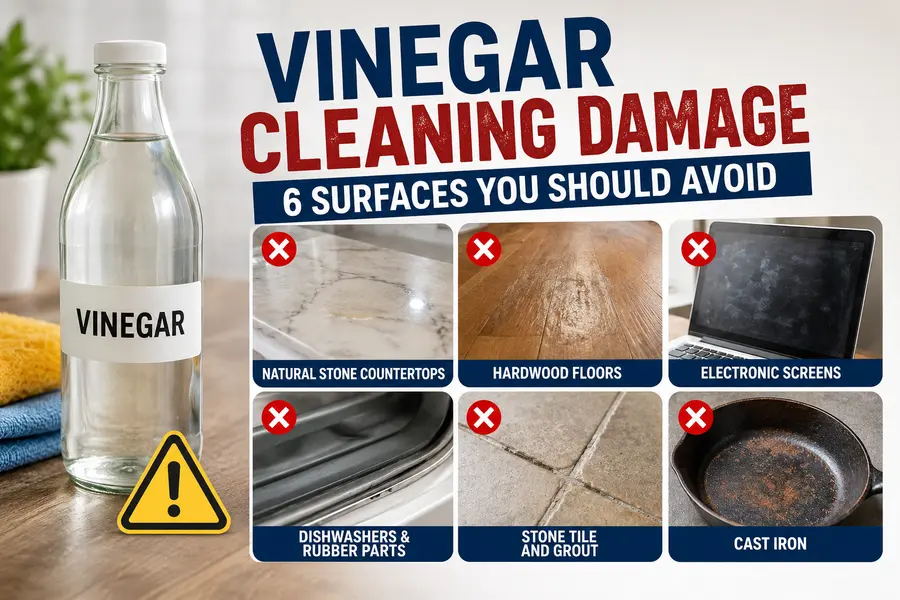
vinegar cleaning damage: 6 surfaces you should avoid
vinegar cleaning damage: 6 surfaces you should avoidVinegar is considered by many as the perfect natural cleaner. Many Australian residences always keep a bottle handy for dealing with kitchen messes, cleaning the bathroom, and even stain removal. Vinegar has become the main natural cleaner. It is inexpensive and easy to get, and is often touted as a green alternative to chemical goods. But there’s one thing a lot of people don’t know: vinegar is acidic. While this acidity allows it to penetrate through grease and the hard water scale, it may also be corrosive to some home surfaces.
When you know which surfaces vinegar can harm, you’ll avoid costly repairs and replacements. Following professional home cleaning advice can also help you choose the right cleaning methods for different surfaces. It’s every bit as important to know where not to use vinegar as to know where it works well. Having said that, here are six popular surfaces in your home that can be damaged by vinegar, and the safer options for cleaning those surfaces.
Why Vinegar Can Be Risky?
Vinegar includes acetic acid, which happens to be the very acid that reacts with the object that is of concern. In the case of non-porous surfaces such as glass and some metals, vinegar might be potent enough, but the repeated use of vinegar over a long period of time on porous stone, delicate finishes, and sealants can subtly erode the surface. A good number of people don’t recognize they have a problem until dulling, scratching, fading, or permanent marking are visible. That’s one of the biggest disadvantages of vinegar in cleaning – the harm usually occurs so slowly it goes unnoticed until you’re faced with a costly repair.
Natural Stone Countertops
Stone surfaces are still preferred by a majority of Australians when they pick the materials for decorating and renovating their home. They do so because these materials look rich and their quality is strong and lasting. Various kinds of stones like marble, granite, limestone and travertine have different characteristics and, because of this, require different treatment. Vinegar is pretty much their worst enemy and can actually damage them if one is not careful, as it chemically reacts with the minerals in the stones.
Damage signs are:
- Dull patches
- Loss of shine
- Uneven colouring
- Permanent marks
Acid, even at a very low concentration, could slowly erode sealed stone.
Better cleaning option:
For this task, mix a tiny amount of liquid dish soap with some warm water and then use this soapy solution to wet your cloth and also your microfiber towel.
Hardwood Floors Lose Shine
Wooden floors but vinegar isn’t always a safe cleaner. Repeated vinegar use may:
- Strip protective coatings
- Reduce gloss
- Dry out timber finishes
- Create uneven appearance
There is a common misconception among many homeowners that natural products are basically safe. Though, the wood finishes can be very sensitive to acids. Here is yet another case of vinegar cleaning eating away at surfaces that is not readily recognized.
Alternative and better cleaning method:
When cleaning hardwood floors, it is best to use pH-neutral floor cleaners that are wood floor safe.
Quick Surface Safety Guide
| Surface | Why Vinegar Causes Damage | Safer Alternative |
| Natural stone | Acid etching | Mild soap + water |
| Hardwood floors | Finish deterioration | Timber floor cleaner |
| Electronic screens | Coating removal | Screen-safe cleaner |
| Dishwashers | Rubber wear | Manufacturer cleaner |
| Stone tiles | Surface dullness | Neutral tile cleaner |
| Cast iron | Protective layer removal | Warm water |
Electronic Screens Need Care
Cellphone and tablet screens, laptop screens , and TV screens all tend to have some sort of protective coating. These coatings will be damaged by using vinegar-based sprays and will, over time, result in foggy screens.
Possible problems include:
- Cloudy appearance
- Reduced anti-glare protection
- Streaking
- Permanent coating wear
This is one of the unseen negative effects of using vinegar for cleaning, especially since it is still recommended in many home cleaning formulas.
Better cleaning option:
Use a dry cloth made of microfiber, or a screen cleaner.
Dishwashers And Rubber Parts
Several people add a cup of white vinegar when running their dishwasher to eliminate odors and lime scale. Using it occasionally as per the manufacturer’s guidelines is probably okay, but frequent use might cause the degradation of rubber seals and other internal parts.
This could cause:
- Seal deterioration
- Water leaks
- Reduced appliance lifespan
Appliance repairs can add up in cost against that of using the recommended maintenance products.
Better cleaning choice:
Utilize a dishwasher cleanser designed to clean the dishwasher.
Stone Tile And Grout
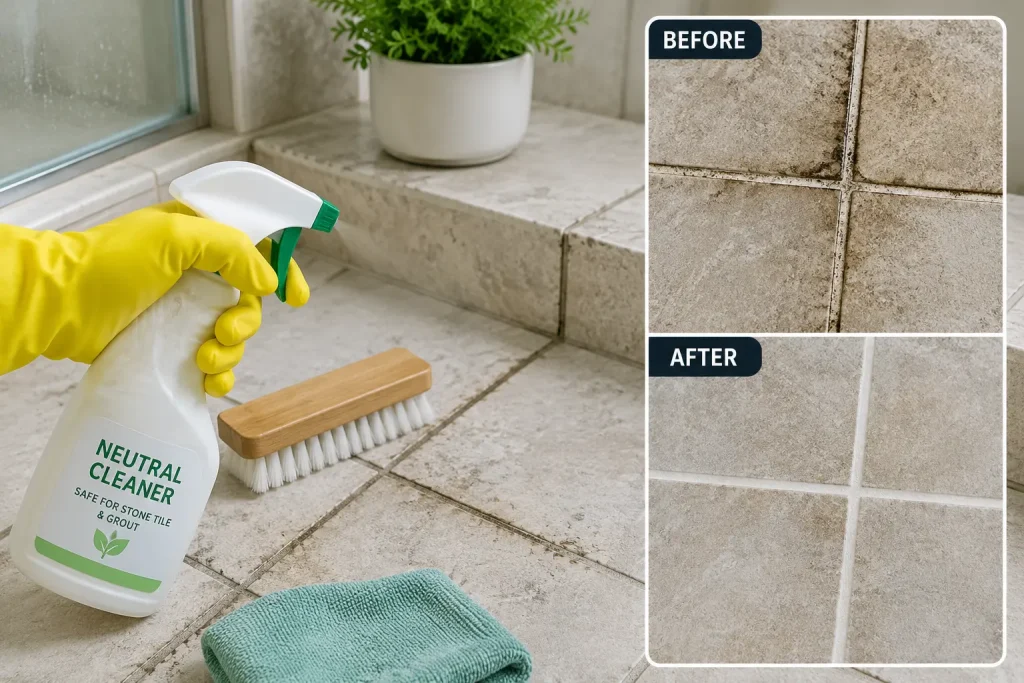
Vinegar is the little secret behind the dishes’ sparkle, and they even use the same for cleaning stone tiles and grout lines in the kitchen and bath. But if used excessively, it may break down the strength of the grout and the finish of the stone.
Some common indicators:
- Powdery grout
- Faded appearance
- Increased staining
- Cracks in joints
When vinegar cleaning damages surfaces, frequently tiled areas are overlooked because the damage occurs gradually.
Better cleaning option:
Use a non-acid cleaner for tile, and clean often before you get heavy accumulation.
Cast Iron Needs Protection
Bare metal shows up when vinegar strips away the coating on cast iron pans. Because that acid eats through the seasoned surface, using it means losing what makes the pan work so well. A good cooking finish forms only after proper treatment over time. Without care, the protection fades fast.
Possible outcomes:
- Rust formation
- Reduced non-stick performance
- Metallic taste in food
- Extra maintenance
Temporary rust removal can be done with vinegar in a controlled environment, but daily use to clean with vinegar is not recommended.
Better cleaning option:
Wash with warm water and dry at once.
How To Clean Smarter
There’s no need to stop using vinegar altogether. It still has its place for a few home chores.
Good places to use vinegar:
- Glass windows
- Removing mineral deposits
- Some stainless-steel surfaces
- General deodorising
Do not assume that one cleaner will work in all situations. Here’s an easy rule to remember:
Every time, check to see if the surface is acid-sensitive before spraying.
Before You Use Vinegar Checklist
| Question | Yes | No |
| Is the surface natural stone? | Avoid vinegar | Continue checking |
| Does it have a protective coating? | Avoid vinegar | Continue checking |
| Is it electronic? | Avoid vinegar | Continue checking |
| Is manufacturer guidance available? | Follow instructions | Test carefully |
| Can mild soap do the job? | Choose soap | Consider alternatives |
Protect Your Home Surfaces
Vinegar still ranks among the most popular DIY household cleaning solutions due largely to Truth is it is cheap and versatile. Though ‘natural’, it does not automatically mean it is free from harm. Finding out an item has been damaged through etching due to vinegar helps you to prevent one-off damage and limit the cost of restoration. Stone countertops, wood floors, electronic screens, dishwashers, tile, and cast iron? You name it? are all different care routines. One of the greatest vinegar cleaning myths is that it is harmless for all materials. If you’re unsure about the safest cleaning methods for your home, contact our cleaning experts for professional advice and assistance.